Finding the perfect way to unwind and recharge isn’t just a luxury—it’s a necessity. Whether you’re a spa-goer, a health enthusiast, or someone navigating the wellness landscape, chances are you’ve heard about hydrotherapy and flotation therapy. These two treatments promise relaxation, stress relief, and physical rejuvenation, but which one is right for you?
This guide dives deep into the differences, benefits, and experiences of hydrotherapy and flotation therapy, arming you with the insights you need to choose the best therapy for your wellness goals.
Both hydrotherapy and flotation therapy use water as their central medium for rejuvenation, but their methods are distinct. Hydrotherapy focuses on the therapeutic use of water in various forms—hot, cold, and pressured—while flotation therapy immerses you in a sensory-deprivation tank filled with saltwater designed to mimic zero gravity.
Now, more than ever, relaxation practices like these are vital in managing stress and enhancing overall well-being. But what makes each unique, and how do they stack up against each other? Let’s explore.
Hydrotherapy has stood the test of time and remains a popular choice in the wellness space.
Hydrotherapy stimulates blood circulation, eases tension in your muscles, and activates your body’s natural stress-relief mechanisms. The temperature and pressure of the water play significant roles in delivering these effects.
Hydrotherapy benefits a range of health issues, including joint pain, arthritis, stress, muscle soreness, and post-injury recovery.
Aquatic exercises, often done in hydrotherapy pools, include water jogging, leg lifts, and gentle stretches. These exercises provide excellent low-impact benefits, especially for individuals recovering from injuries or dealing with chronic pain.
Though generally safe, hydrotherapy might not be suitable for individuals with certain medical conditions, such as circulatory issues, severe heart disease, or open wounds. Always consult a healthcare professional before starting any therapy.
Flotation therapy is a more modern approach to wellness, focusing heavily on sensory deprivation and deep mental relaxation.
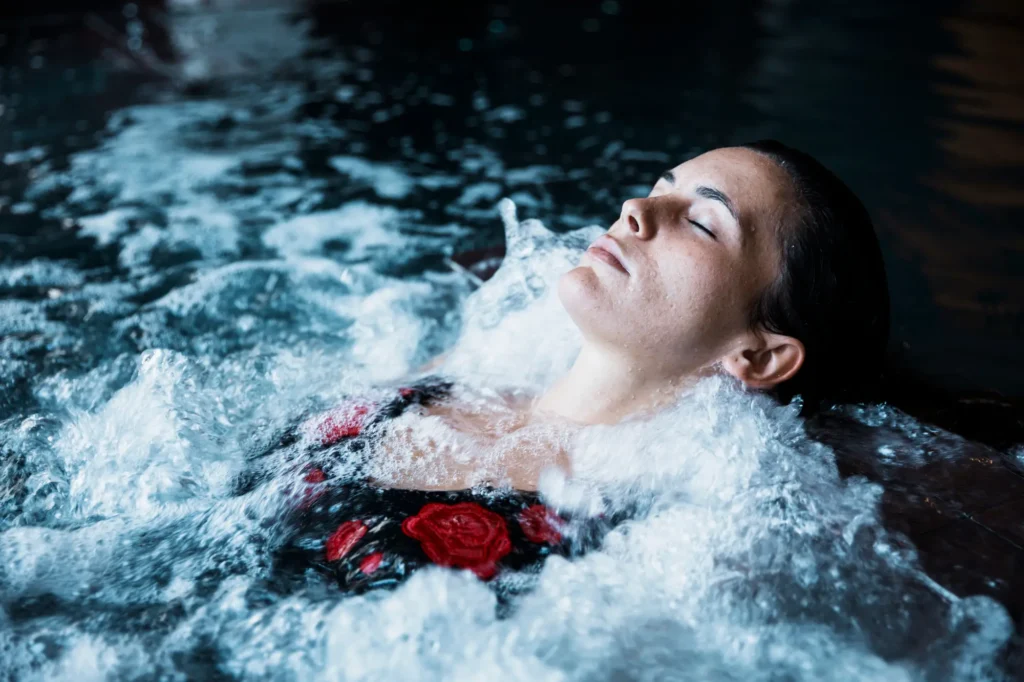
You float effortlessly in a soundproof tank filled with warm water saturated with Epsom salts, creating a zero-gravity environment.
By eliminating external stimuli like light, sound, and touch, flotation therapy encourages profound relaxation. It promotes mental clarity and a heightened sense of well-being.
The high concentration of Epsom salts in the water ensures maximum buoyancy, which reduces stress on joints and muscles while promoting relaxation.
Epsom salts are rich in magnesium, which can be absorbed through the skin. This helps soothe muscles, reduce inflammation, and improve overall relaxation.
Many users report feeling deeply relaxed after a single float session, making flotation therapy a popular choice for stress relief and anxiety management.
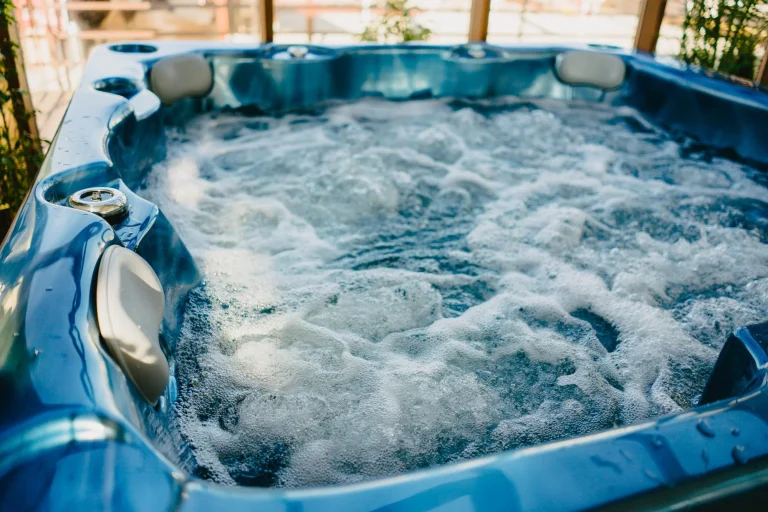
While hydrotherapy is water-based physical therapy using methods like hot tubs and cold plunges, flotation therapy focuses more on mental well-being through sensory deprivation.
Hydrotherapy excels at physical recovery and pain relief, while flotation therapy shines in its ability to reduce stress, anxiety, and improve mental clarity.
Both therapies stimulate relaxation but in different ways. Hydrotherapy applies temperature and water pressure to relax muscles, whereas flotation therapy removes external distractions to calm the mind.
Hydrotherapy is safe for most individuals but could pose risks for people with heart conditions, infections, or pregnancy.
Most participants float nude to minimize distractions, but swimsuits are an option if preferred.
Yes, to rinse off the Epsom salts.
Absolutely. It’s common and safe to fall asleep during a session.
Avoid caffeine and heavy meals before floating as they may interfere with relaxation.
New to floating? Arrive early, bring a towel, and prepare to completely disconnect.
To experience cumulative benefits, consider floating weekly or bi-weekly, especially for stress relief and muscle recovery.
This pressure helps stimulate circulation and reduce swelling, making it an essential element of aquatic therapy.
Water’s viscosity in hydrotherapy supports low-impact exercises, whereas in flotation therapy, it enhances buoyancy for deep relaxation.
Both hydrotherapy and flotation therapy offer incredible benefits, but the best choice depends on your needs. Seeking physical recovery? Hydrotherapy might be your answer. Need to unwind your mind? Flotation therapy could be your go-to.
If you’re ready to explore the calming embrace of hydrotherapy, consider the 880™, 780™, 680™, or Splash® Series hot tubs—available through The Hot Tub Store—or find your nearest flotation therapy center to try a sensory-deprivation session today.