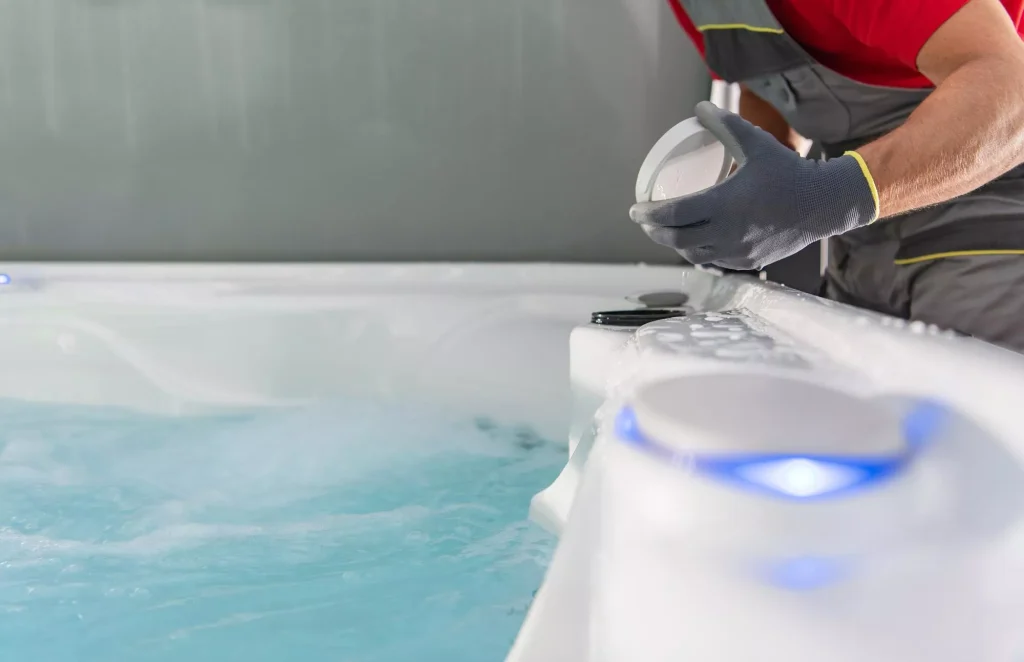
A swim spa gives you the best of both worlds: a place to swim, exercise, and relax without the footprint of a full pool. But before that first refreshing dip, you need a solid installation plan. Where will it sit? What foundation does it need? How will it even reach your backyard? Getting these details right the first time can save money, prevent headaches, and protect your investment for years to come. Use this swim spa installation guide to walk through every step, from site planning and foundation requirements to delivery day and the electrical hookup. For 25 years, The Hot Tub Store in Hermantown, MN, has helped Northland families find the right swim spa and plan installations designed to perform through every Minnesota season.
Key takeaways:
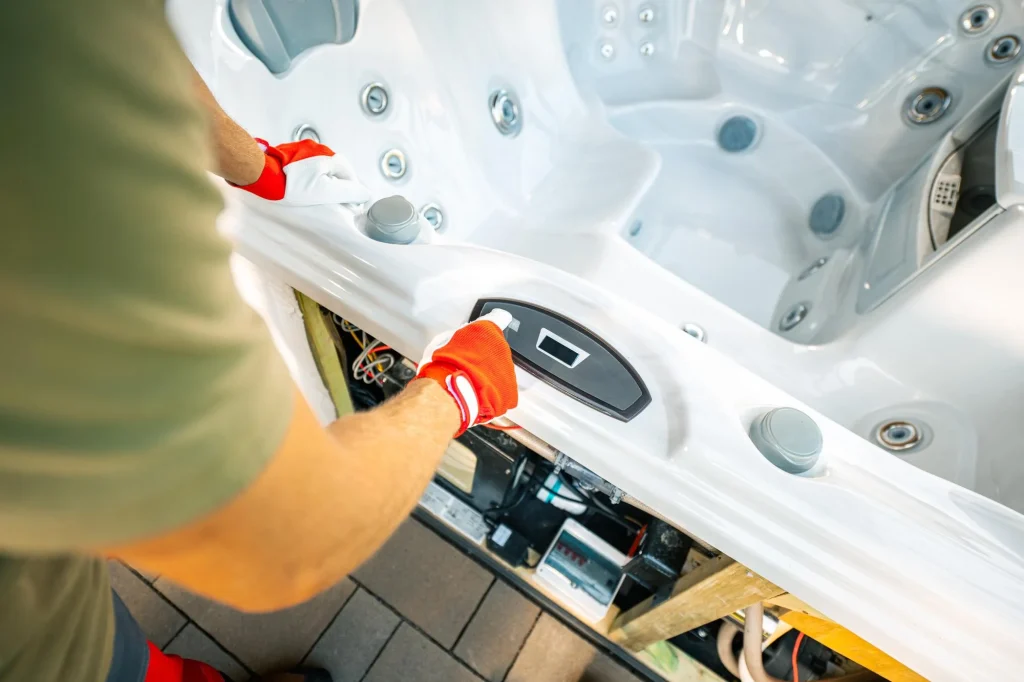
Good installation starts long before the swim spa arrives. Thoughtful planning covers location, space, access, electrical needs, and how you’ll use the spa day to day. Make these decisions early, and the rest of the process becomes much easier to manage.
Most swim spas are installed outdoors, and for good reason. They’re designed to handle outdoor conditions, while an exterior setting gives you room to swim, exercise, entertain, and unwind under the open sky. Here in Minnesota, that can mean year-round use, from summer workouts to winter soaks while snow falls around you.
If you’re considering an indoor installation, plan carefully for ventilation, drainage, moisture, and humidity control. Indoor setups are possible, but they add complexity and cost. For most homeowners, a well-planned outdoor location is the simpler and more practical choice.
Swim spas are larger than hot tubs, so space matters. Most models run 12 to 19 feet long, 7 to 8 feet wide, and 4 to 5 feet tall. You’ll also want clearance around the unit for entry, maintenance access, and a comfortable walkway.
Plan for at least 2 to 3 feet of open space on the sides you’ll use most, along with easy access to the equipment bay. Measure your intended location carefully, then account for steps, a cover lifter, and any surrounding deck, fencing, or landscaping.
Where you place your swim spa shapes both your enjoyment and your ongoing ownership experience. Keep these factors in mind:
A little planning here can prevent expensive surprises later.
Swim spas can sit above ground, be partially recessed, or be fully installed in the ground. Your choice affects cost, timeline, appearance, access, and long-term flexibility.
Above-ground installation is a popular choice because the spa sits on a prepared, level foundation without requiring extensive excavation. Depending on site preparation and installation requirements, the process can be completed relatively quickly, and the spa remains more flexible if your needs change. In-ground installation delivers a built-in, custom look but requires excavation, structural planning, and a significantly larger budget.
Most homeowners choose above-ground installation for its affordability, speed, and flexibility. In-ground installation appeals to those seeking a seamless, high-end aesthetic and who are willing to invest more to integrate the swim spa into the landscape.
An in-ground swim spa can blend beautifully into your landscape, creating a polished, pool-like appearance. When the spa sits flush with a surrounding deck or patio, entry and exit can feel natural and convenient. Many homeowners appreciate the clean, integrated look and how it becomes part of the overall backyard design.
An in-ground setup can also feel like a permanent home feature, which suits homeowners who plan to stay in the property and design their outdoor space around the swim spa.
In-ground installation is a serious construction project. You’ll need excavation, a reinforced foundation, and often a retaining wall or vault around the spa. Crucially, the equipment bay must remain accessible for service, so plan an appropriate access panel or surrounding service area.
Expect a longer timeline, additional construction requirements, permits, and a higher budget. You should also consider drainage and freeze protection carefully, since a recessed spa can be more challenging to service and protect during Minnesota winters. Skipping proper planning here can lead to costly problems down the road.
1. Can any swim spa be installed in-ground?
Many swim spas can be installed in-ground, but confirm the installation requirements with your dealer first. The spa must allow appropriate access to its equipment bay and other components once recessed.
2. Is in-ground more expensive?
Yes, considerably. Excavation, concrete, structural work, drainage, and finish work can add substantial costs beyond the price of the swim spa itself.
3. Can I still move it later?
Not easily. An in-ground installation is effectively permanent, so choose this route only if you’re confident in the location and long-term design.
Two requirements shape nearly every swim spa installation: proper electrical service and a rock-solid foundation. Get both right, and the rest of the installation process becomes much easier.
Swim spas require a dedicated 240V circuit installed by a licensed electrician, typically 50 to 60 amps depending on the model. Some larger units with multiple pumps and heaters may require additional electrical capacity. This isn’t a plug-and-play appliance, so professional wiring is essential for safety and code compliance.
Your total electrical cost depends on the distance from your panel and whether your home’s electrical service needs an upgrade. Many installations fall within the $1,000 to $2,500 range for electrical work, though longer runs, difficult access, or panel upgrades can push costs higher. A GFCI-protected disconnect near the swim spa is also an important safety requirement.
A filled swim spa is extremely heavy, so it needs a level, load-bearing base. A reinforced concrete pad, at least 4 to 6 inches thick, is the gold standard. Compacted gravel or engineered spa pads may work for some models and site conditions, but concrete offers dependable support for a full-size unit.
The surface must be properly level to support the swim spa and help prevent stress on the structure. In Minnesota, also plan for appropriate frost protection and drainage to help prevent movement during freeze-thaw cycles. Skimping on the foundation can put the swim spa and surrounding property at unnecessary risk.
Installation costs vary widely based on the type of installation, site access, foundation requirements, electrical work, and site preparation. Here’s a planning breakdown based on the ranges outlined in this guide:
Above-ground installation remains the value choice for many homeowners, delivering the full swim spa experience without the extensive construction costs associated with an in-ground build.
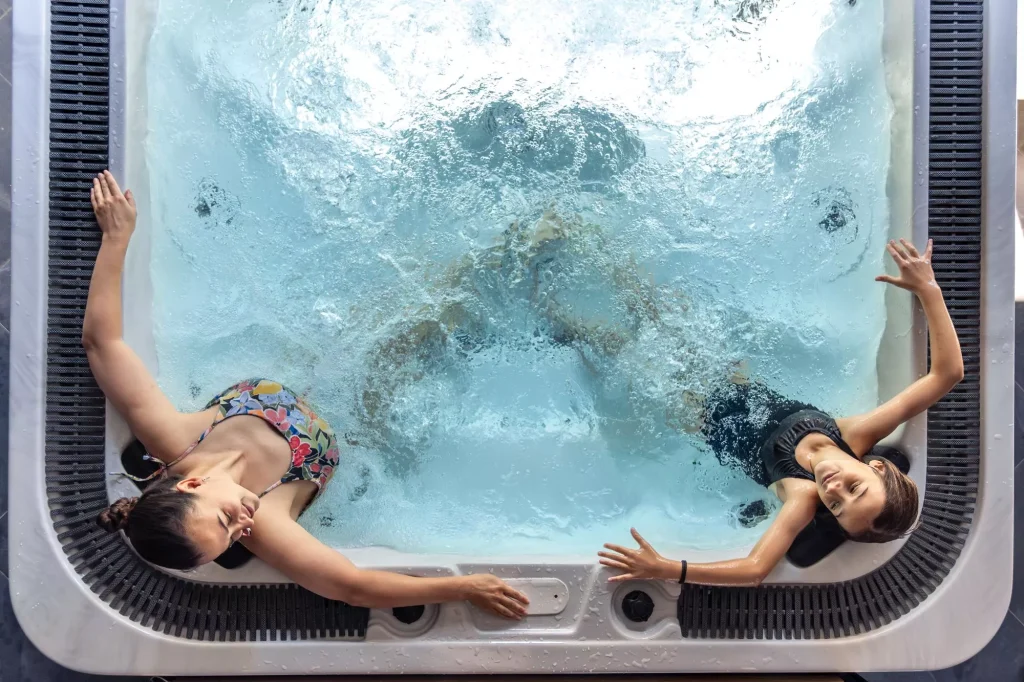
Delivery is one of the most underestimated parts of the process. Swim spas are large and heavy, so the route to your backyard needs careful planning. Before delivery day, your dealer should assess access points, gate widths, tight corners, slopes, fences, landscaping, overhead wires, and other potential obstacles.
In many cases, a swim spa can be rolled or maneuvered into place using specialized equipment. When access is tight, or the yard sits behind a house, a crane may be used to lift the spa over obstacles and lower it precisely onto the prepared foundation. Crane placement requires sufficient overhead clearance and a stable staging area for the truck. Planning this in advance helps prevent delays and unexpected delivery costs.
Once your foundation is ready and electrical work is prepared, installing your swim spa follows a clear sequence:
A professional installation can often be completed within a day once the site has been fully prepared, leaving you ready to begin enjoying your swim spa.
A few smart habits can keep your installation on track. Here’s what to embrace and what to avoid.
Do:
Don’t:
Follow these guidelines, and you’ll avoid many of the common and costly installation mistakes.
Proper installation isn’t just about convenience. It supports your safety, warranty requirements, and long-term operating performance. A level, reinforced foundation helps prevent unnecessary structural stress. Code-compliant electrical work supports safe operation. Correct placement and adequate service access help ensure your heater, pumps, and other components can operate and be maintained as intended, even through the coldest Northland winters.
Cutting corners is where problems begin. An uneven foundation, improperly sized wiring, or a poorly planned delivery can cost far more to fix than doing the work correctly from the start. Quality installation provides the foundation for years of comfortable, reliable swim spa ownership.
This is where local experience truly pays off. For 25 years, The Hot Tub Store in Hermantown, MN, has helped homeowners install their swim spas with confidence, planning for the demands of Minnesota’s climate. We understand how frost, snow, and freeze-thaw cycles can affect foundations, drainage, and equipment, and we plan for those conditions from the beginning.
Our team handles the installation process from site consultation and delivery logistics to crane coordination and professional installation. We also offer maintenance, seasonal winterization, spring restarts, and repairs for all makes and models. Flexible financing options can also help make swim spa ownership easier to plan. When you install with us, you get a local partner who supports you through every step of the process.
1. How long does swim spa installation take?
Once the site is fully prepared, many above-ground installations can be completed in a single day. Site preparation, electrical work, delivery access, and other factors may require additional time.
2. Do I need a permit to install a swim spa?
Often, yes, especially for electrical work and in-ground installations. Requirements vary by municipality, so check local regulations early and work with qualified professionals to address applicable requirements.
3. Can a swim spa be used year-round in Minnesota?
Yes. A quality, well-insulated swim spa can provide a four-season retreat when properly installed, maintained, and protected against Minnesota’s cold-weather conditions.
4. Does my yard need to be perfectly flat?
The foundation must be properly level and capable of supporting the filled swim spa. A sloped yard may require grading or additional site preparation, but the final support surface must meet the spa’s installation requirements.
5. How much does it cost to run a swim spa?
Running costs depend on the swim spa’s size, insulation, water temperature, frequency of use, and local energy rates. A well-insulated model can help manage energy use throughout the year, including during Minnesota winters.
6. Can I install a swim spa myself?
You may be able to handle some site preparation, but swim spa placement and electrical work require careful planning and qualified professionals. DIY installation can create safety concerns, warranty issues, and costly mistakes.
Keep exploring to plan your perfect backyard retreat:
Ready to bring a swim spa home? Visit The Hot Tub Store at 4881 Miller Trunk Hwy, Hermantown, MN 55811 for a personalized site consultation and installation quote. Our friendly, experienced team is ready to plan every detail with you. Which part of your installation would you tackle first?