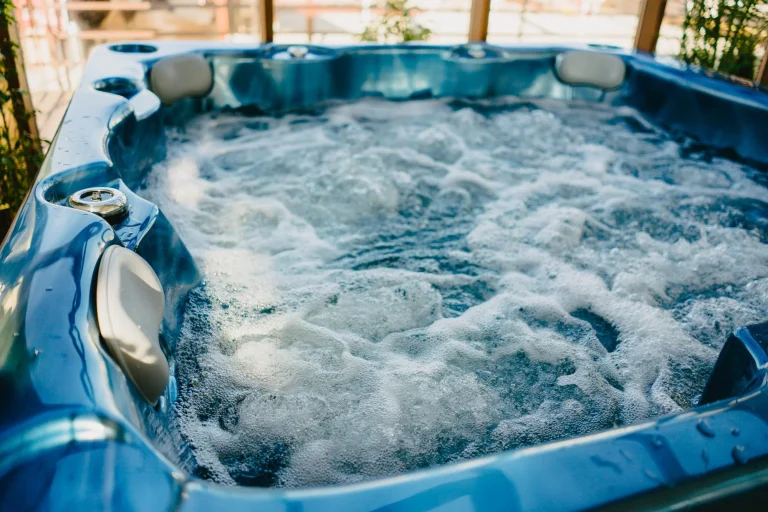
Selecting the right sanitizer for your hot tub goes a long way in ensuring clean, safe, and enjoyable water. Among the most popular options is chlorine, a trusted choice known for its effectiveness and affordability. Here’s a closer look at chlorine as a hot tub sanitizer and the various factors to consider when using it.
Chlorine offers several advantages, making it a preferred option for many hot tub owners:
While chlorine has its strengths, there are a few downsides to consider:
Chlorine is effective in maintaining clean and safe hot tub water by quickly eliminating harmful bacteria, viruses, and other microorganisms. Although it performs better in cooler water, chlorine still provides reliable sanitization for hot tubs with regular application. Its quick action is particularly advantageous for shock treatments, which can swiftly address water quality issues like cloudiness or algae growth.
Chlorine can sometimes irritate the skin and eyes, especially at higher concentrations. For those with sensitive skin, dryness and itching are not uncommon. However, rinsing off after hot tub sessions and using moisturizing products can help mitigate discomfort. If sensitivity to chlorine persists, you may want to reconsider its use or try alternative sanitizers like bromine.
Using chlorine in your hot tub comes with a few maintenance considerations:
Despite these requirements, chlorine’s quick dissolving nature means you can restore balanced water in less time compared to slower-dissolving options like bromine.
Chlorine is available in multiple forms, providing different ways to maintain your hot tub:
Selecting the right form depends on your maintenance preferences and how quickly you need to see results.
One of chlorine’s major benefits is its affordability. Its relatively low price makes it an accessible option for most hot tub owners, especially those looking to minimize long-term maintenance costs. However, the need for more frequent application and monitoring may slightly impact the overall cost over time compared to other alternatives.
When handling chlorine, it’s important to follow these safety tips:
Practicing these safety measures will ensure you can use chlorine effectively and without risks.
Chlorine offers fast, efficient, and cost-effective sanitization, making it an excellent choice for many hot tub owners. Its rapid action ensures your water stays clean and safe, while its wide availability means you’ll always have access to the products you need. Although it requires more frequent monitoring and some may find its odor unpleasant, chlorine’s affordability and efficacy often outweigh these drawbacks.
If you’re looking for a reliable and budget-friendly option to maintain your hot tub, chlorine might just be the solution you’ve been searching for. Whether you prioritize quick results or value affordability, this tried-and-true sanitizer can help you enjoy a consistently safe and clean hot tub experience.